
Cannabidiol, Terpenolol and Human Health
Cannabidiol: uses and positive effects on human health
Cannabidiol (CBD) is one of the main cannabinoids present in the Cannabis sativa plant and is known for its critical therapeutic properties. CBD can be extracted from the inflorescences of the industrial variety Cannabis sativa L. by several methods, including solvent extraction, supercritical CO2 extraction, and carrier oil extraction. Each of these methods offers advantages and disadvantages in terms of purity, yield, ecological sustainability, and cost.
Cannabidiol can also be made from citrus peels, particularly from bitter oranges grown quickly in Sicily. Today, this method of preparation is more expensive.

Still, cannabidiol obtained in this way can be used, especially in Italy, in the production of cosmeceuticals, nutraceuticals, and medical devices without legal restrictions and with less environmental and ecological impact compared to the production of industrial cannabis.
Cannabidiol (CBD) is a compound derived from the industrial variety Cannabis sativa L. It is extracted from female inflorescences by various methods after drying them.
Citrus-derived CBD, or citrus-derived cannabidiol, is a novel compound synthesised by combining limonene and olivetol. This synthesis offers an attractive alternative to traditional CBD production from cannabis plants.
Limonene, a terpene found in citrus fruits, is known for its aromatic properties and potential therapeutic benefits, while olivetol, also of plant origin, is a key precursor in CBD biosynthesis.
Recent studies have shown that limonene can be used in CBD synthesis. Anand et al. (Anand et al.,2022) describe a stereoselective method for synthesising natural CBD, in which limonene is employed as a precursor in a series of catalytic reactions leading to the formation of CBD.
Olivetol, also known as 5-pentyl resorcinol, is an organic compound belonging to the class of phenols. It has a chemical structure consisting of a benzene ring with two hydroxyl groups (-OH) and a pentyl side chain (-C5H11). Olivetol can be obtained from various lichens, including the Common Orange Lichen (Xanthoria parietina), which is quite common in Sicily. It can be found, in fact, easily on rocks, walls, tree bark, and even low walls, especially in areas exposed to light. It can also be grown in unique greenhouses. Olivetol from Common Orange Lichen is extracted using naturally derived ethanol (Picler, Cadotte Carmiel, Muggia et al., 2021).
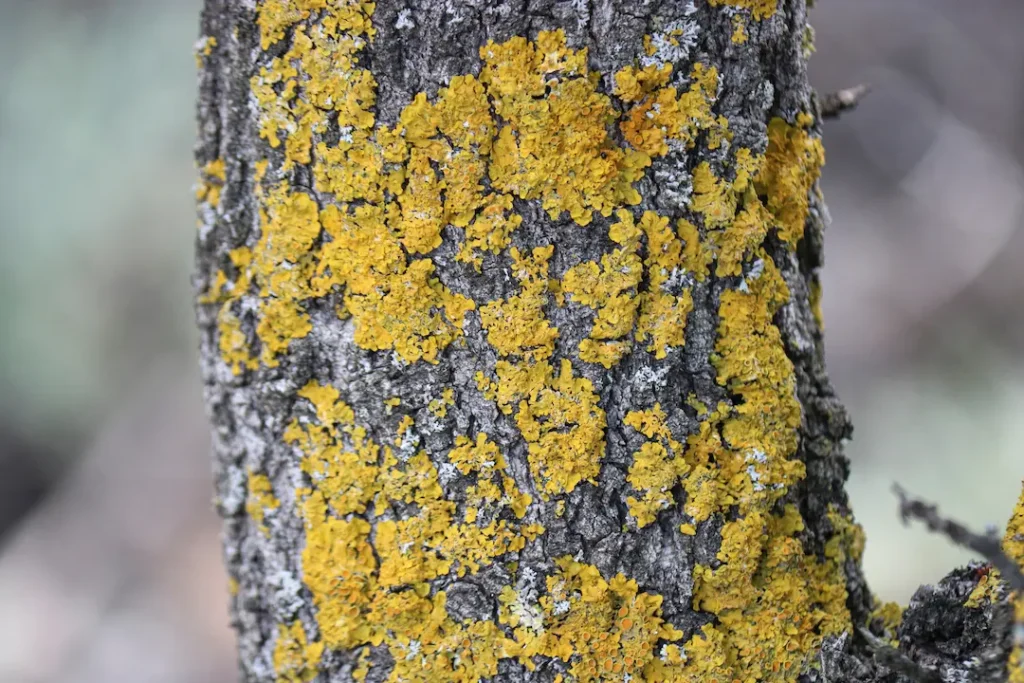

The two photos show a bitter orange tree and a pine tree covered by Common Orange Lichen. We named NegEntillo, Sicily’s first bitter orange tree, newly planted in Herbal Neurocare’s experimental garden, the first step in producing the raw material needed to prepare citrus-derived cannabidiol in-house. NegEntillo is presented, pictured, by Prof. Tullio Scrimali, who has developed a new, original method of preparing cannabidiol, starting with citrus fruits.
Herbal Neurocare’s products, which make up the NegEnt Series, can be prepared, therefore, using either cannabis sativa L., an industrial variety, or bitter oranges. The type of cannabidiol derived from oranges, i.e., citrus-derived CBD, has been named by Professor Tullio Scrimali, Terpenolol and the name, formula, and preparation process have been deposited. The physicochemical and pharmacodynamic characteristics of Terpenolol (CBD derived from bitter oranges) are identical and superimposable to those of cannabidiol, derived from the industrial variety Cannabis Sativa L., so our products are studied and presented in the light of the scientific literature related to this compound (Scrimali, 2024). The company decides on the use of the two types of cannabidiol on a case-by-case basis. In the package insert of our NegEnt Series packs, we always mention cannabidiol, specifying its origin only when applicable or necessary, in light of current regulations that may change over time.
Cannabidiol’s uses for human and pet health are extensive and well-documented. The NegEnt Series employs pharmaceutical-grade cannabidiol sourced from selected manufacturers.
A wealth of scientific literature supports the efficacy and safety of cannabidiol. For more detailed information, please look at the site’s bibliography section, which includes several up-to-date scientific articles and monographs related to the citations provided in the text.
Cannabidiol as anxiolytic and neuroleptic, in integration with psychotherapy and rehabilitation, (Bonaccorso, Ricciardi, Zangani, Chiappini, Schifano, 2019).
- Sleep disturbance
- Agoraphobia
- Disorders from Panic Attacks
- Obsessive Compulsive Disorder
- Post-traumatic Stress Disorder
- Eating Disorders
- Substance Use Disorders and Addictive behavior disorders) (ludopathy, above all)
- Borderline Personality Disorders
- Schizophrenia and Bipolar Psychosis
- Neurocognitive Disorders (Dementia)
- Neurodevelopmental Disorders (Autism Spectrum Disorders and Attention Deficit and Hyperactivity Disorder)
- Parkinson’s Disease and Parkinsonisms
Cannabidiol as an anti-inflammatory, painkiller, antispasmodic and immunomodulator (Nagarkatti, Pandey, Rieder, Hegde, Nagarkatti, 2009 and Peyravian, Deo, Daunert, Jimenez, 2020).
- Headache
- Irritable Bowel Syndrome (IBS)
- Ulcerative colitis and Chron’s disease
- Inflammatory and degenerative diseases of the osteo-articular system such as arthritis and osteoarthritis
- Premenstrual syndrome
- Muscle pain
- Neuralgia
- Fibromyalgia
- Multiple sclerosis
- Covid-19
Cannabidiol as an antiaging agent (Baban, Khodadadi, Salles, Costigliola, 2001).
In the preventive treatment of the physiological decline, cognitive and physical, due to the process of senescence.
Also, as an activator of brain metabolic processes and as a substance able to reduce neuro-inflammatory and neuro-degenerative processes.
Cannabidiol in Cardiology (Stanley, Hind, O’Sullivan, 2013).
Properties and benefits: the cannabidiol antioxidant and anti-inflammatory action.
Cannabidiol has a positive effect on cardiovascular function, in fact it reduces the pressure-systolic and diastolic values in case of hypertension. Furthermore, It slows the heart rate when the frequency is too high for functional reasons, especially related to anxiety and stress. Moreover, cannabidiol demonstrates a vasodilating action that favors the lowering of the pressure and, above all, the perfusion of the various organs, with reference to the brain.
Thanks to its powerful anti-inflammatory and antioxidant action, cannabidiol acts positively on the atherosclerotic inflammation of the coronary and the entire vascular system, in order to promote the stabilization of the lesions in place and preventing the new formation. Especially, In the case of atherosclerosis, the systematic intake of cannabidiol, supplemented with the modification of harmful lifestyles -sedentary and feeding- qualitatively and quantitatively dysfunctional, contributes to the improvement of the state of the arterial walls. Cannabidiol also contributes to lower blood cholesterol levels. In fact this benefit is demonstrated by a 2013 study on the effect of cannabis on metabolic systems, comparing non-users with consumers. –Above all, study analyzed some blood chemistry parameters of 4,652 participants and, in conclusion, its evidence showed that regular CBD users exhibited higher blood levels of high-density lipoprotein (HDL).



Cannabidiol as an aerosol in certain
respiratory diseases such as asthma and bronchitis
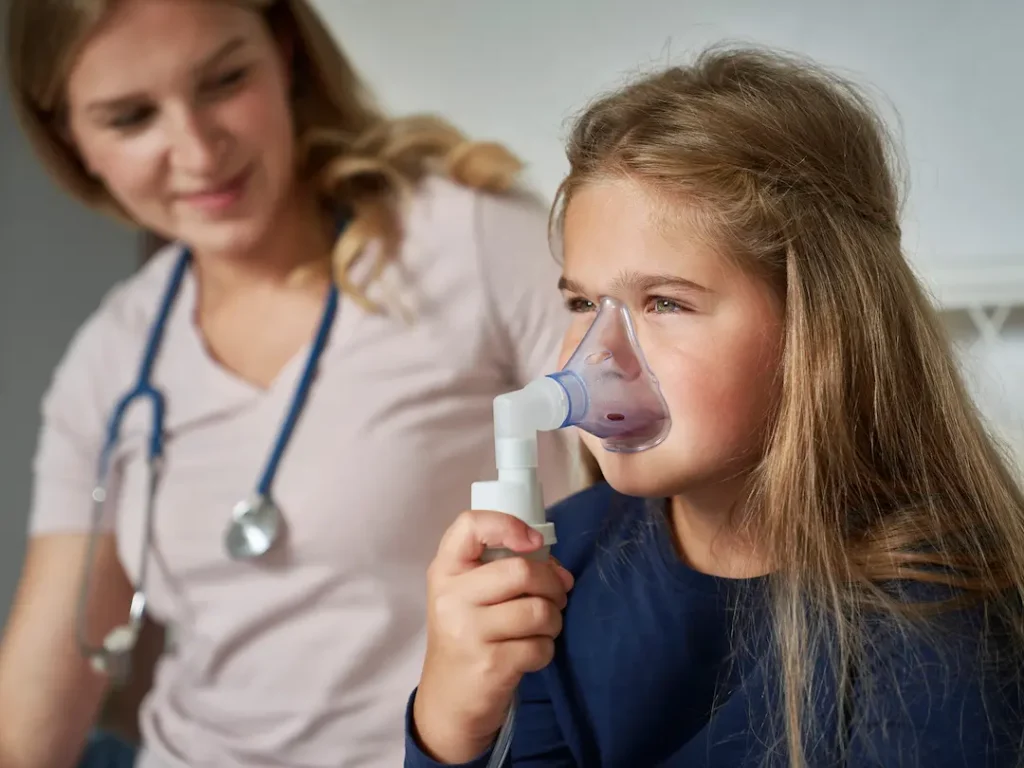
The benefits of cannabidiol used as an aerosol for the treatment of certain respiratory diseases, such as asthma and bronchitis, have been demonstrated by several research studies, as reported in a systematic review, implemented by Corral, Martínez-Gras and Sagredo and entitled ‘Cannabidiol for the treatment of respiratory diseases’. This scientific review, published in the Journal of Clinical Medicine, explores the therapeutic potential of cannabidiol in the treatment of various respiratory diseases. This review emphasises CBD’s anti-inflammatory and bronchodilator properties, which may help treat asthma and chronic obstructive pulmonary disease (Corral, Martínez-Gras, Sagredo, 2020).
Micellar formulations significantly improve the solubility and bioavailability of CBD, even in the respiratory system, which is very advantageous for inhalation administration (Toncheva-Moncheva, Ivanov, Markov, 2023).
The therapeutic effect of micellar cannabidiol has been traced back to the pharmacodynamic finding that it modulates inflammatory responses in the lungs. Aswad et al. found that CBD preparations can reduce cytokine activity in inflamed lungs, indicating a potential role for cannabidiol in the management of inflammatory conditions such as asthma and bronchitis (Aswad et al., 2022).
Cannabidiol and gastrointestinal health
Cannabidiol (CBD), particularly in its micellar form, exhibits significant therapeutic effects on various gastrointestinal disorders, including gastritis and irritable bowel syndrome.
Gastritis is an inflammation of the inner lining of the stomach, known as the gastric mucosa. This condition can be acute or chronic, and the most common symptoms include pain or burning in the stomach, nausea, vomiting, abdominal bloating and loss of appetite. The causes of gastritis can be many, including overuse of non-steroidal anti-inflammatory drugs (NSAIDs), infection with Helicobacter pylori bacteria, alcohol abuse, stress, and certain medical conditions such as Crohn’s syndrome.
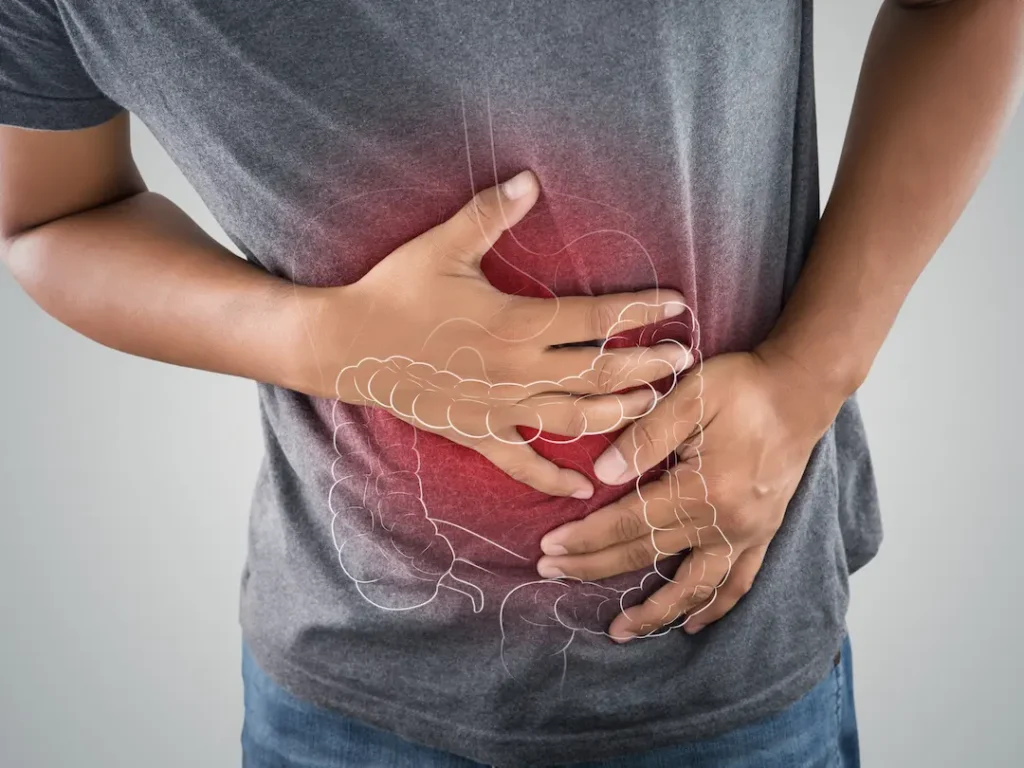
CBD can alleviate gastritis symptoms due to its anti-inflammatory properties by modulating the endocannabinoid system, which regulates inflammation and immune responses. In addition, the micellar formulation increases the bioavailability of cannabidiol, allowing more excellent absorption and utilisation of the molecule at its target sites, including at the gastrointestinal level (Sumpter, 2021).
The irritable colon is a chronic condition that affects the large intestine. The main symptoms include abdominal pain, bloating, gas and altered bowel habits such as diarrhoea, constipation, or both. The causes of IBS are not entirely clear. Still, they may consist of a combination of problems (multifactorial etiopathogenesis), such as dysregulation of intestinal motility, visceral hypersensitivity, mild inflammation, previous infections and alterations in the intestinal flora. Stress and an unhealthy diet may worsen symptoms.
Numerous studies suggest that CBD, due to its anti-inflammatory properties and ability to influence the gut microbiota, may relieve irritable bowel symptoms. Furthermore, CBD is recognised for its neuroprotective and anxiolytic effects, which may indirectly benefit IBS sufferers by reducing stress and anxiety, factors that can exacerbate gastrointestinal symptoms (GreenOrganics, 2021).
Micellar cannabidiol thus represents a promising approach to managing gastritis and irritable bowel syndrome due to its anti-inflammatory properties, stress-relieving ability, and enhanced bioavailability. Although further clinical studies are needed to establish definitive therapeutic protocols, existing evidence suggests that CBD could be a valuable adjunct in the treatment of these conditions.
Cannabidiol as an immunomodulator (Nichols, Kaplan, 2020).
A recent scientific review has thoroughly analysed the effects of CBD on the regulation of immune system activities, both in vivo and in vitro.
Data from this review support the hypothesis that CBD has immunoregulatory effects, carried out by direct inhibition of pathogenic activity of different types of immune cells.
In fact, the regulatory action that cannabidiol exerts on the immune system has been shown to be therapeutic in the treatment of various diseases, characterized by an immune dysregulation, such as multiple sclerosis (Furgiuele, Cosentino, Ferrari, Marino, 2021)the ulcerative rectocolitis (De Filippis, Cirillo, Cipriano, et Al., 2011) and the Covid-19 (Nguyen. Yang, Nicolaescu et Al., 2021).
Cannabidiol, Appetite and Metabolism (Bielawiec, Harasim-Symbor, Chabowski, 2020).
First, regular intake of cannabidiol can stabilize the food line, in order to improve mitochondrial functioning, and reduce insulin levels.
Above all, Cannabidiol, taken regularly, tends to stabilize and normalize dietary behavior, counteracting emotional eating and compulsive hunger. In fact, CBD promotes weight loss or the maintenance of healthy weight, thanks to the activation and improvement of mitochondrial functioning, thus stimulating the use by cells, nutrients, and their transformation into energy. Besides, the regular intake of CBD also decreases the high levels of insulin in the blood of people with metabolic syndrome due to a diet too rich in calories and carbohydrates and a sedentary life.


Cannabidiol in Dermatology (Sheriff, Lin, Dubin, Khorasani, 2020).
Effective remedy for skin diseases.
CBD has a strong anti-inflammatory, antipruritic and antibacterial activities and consequently, it suggests a topical use in dermatology. In other words, cannabidiol is considered an effective remedy for diseases such as dermatitis, acne and psoriasis. Moreover, medical devices based on CBD, proposed in the form of lotions and ointments, recently exist on the market. NegEnt can be applied directly to the skin, by means of the dropper; then you can stretch the solution on the area to be treated, with the fingertips, after washing and sanitizing the hands.
Cannabidiol in Dentistry (Larsen, Shahinas, 2020).
NegEnt: original and innovative product for the teeth and gums health. Cannabidiol is also an excellent remedy for the treatment of periodontitis, thanks to its anti-inflammatory, antibacterial and antioxidant actions and thanks to the absence of any side effects. In other words, Periodontitis is a condition that affects millions of people around the world, causing in fact the progressive loss of teeth, with all the complications associated with it. In conclusion, experimental scientific studies have shown that topical application of CBD on the gums of patients with periodontitis improves inflammation and the composition of bacteria in gum pockets, moreover, slowing the development of pathogenic species. In addition, it counteracts the progressive and pathological reduction of alveolar bone tissue (Karas, Wong, Paulin et Al., 2020; Napimoga, Benatti, Lima et Al.). Even more: the strong analgesic action of CBD reduces the suffering of patients and
also allows a progressive improvement in chewing function.
First, NegEnt introduces, in Dentistry, an original and innovative therapeutic concept, defined by Tullio Scrimali: edible mouthwash. In fact, a couple of drops of NegEnt, diluted in a few milliliters of water, can be used for buccal rinses, for the purpose of a local therapeutic action. Finally, being edible NegEnt, it is also possible to swallow the solution after rinsing, thus obtaining not only a topical action, but also
an anti-inflammatory and analgesic effect at a systemic level.


Cannabidiol and Sexology (Lynn, Gee, Zhang, Pfaus, 2020 and Bhambhvani, Kasman, Wilson-King, Eisenberg, 2020).
A valuable benefit for the sexuality of man and woman.
Cannabidiol in fact, used in sexology, reduces performance anxiety, improves desire
in both men and women. Further CBD counteracts erectile dysfunction and premature ejaculation. CBD based creams and lotions can also be useful in the integrated treatment of dyspareunia and vaginismus.
Cannabidiol in sports practice (Daniel Rojas-Valverde, 2021).
Anxiolytic and anti-stress effect without any sedative action.
In other words, the anti-inflammatory and antioxidant effect of cannabidiol, as well as anxiolytic and antistress, separated from any sedative action, is valuable in the practice of sports activities. Further, In the course of these activities, trauma or microtrauma can occur both in the joints and muscles; the production of free radicals and lactic acid could also be activated, with negative metabolic consequences.
