Micellar Cannabidiol
Aquacann: an original emulsion developed by Tullio Scrimali, based on a water-soluble micellar formulation of cannabidiol
Cannabidiol is a lipophilic molecule, not soluble in water, which makes its use as a therapeutic aid in human and veterinary medicine problematic and excessively expensive.
The bioavailability of CBD, i.e., the amount of the substance that reaches the receptors in the target organs of pharmacodynamic action, is minimal compared to that taken. When cannabidiol is ingested orally, it is mostly digested between the stomach and intestines, with liver involvement. The neutralizing hepatic action is also felt when cannabidiol, taken sublingually, goes directly into the bloodstream without passing through the digestive system.
In recent years, therefore, a line of studies and experiments has developed among researchers in the field, tending to identify the possibility of making the cannabidiol molecule water-soluble and, therefore, not only miscible in any liquid, with which to take it but also more capable of reaching specific receptors, in the target organs, exerting a much more powerful and prolonged pharmacodynamic action.
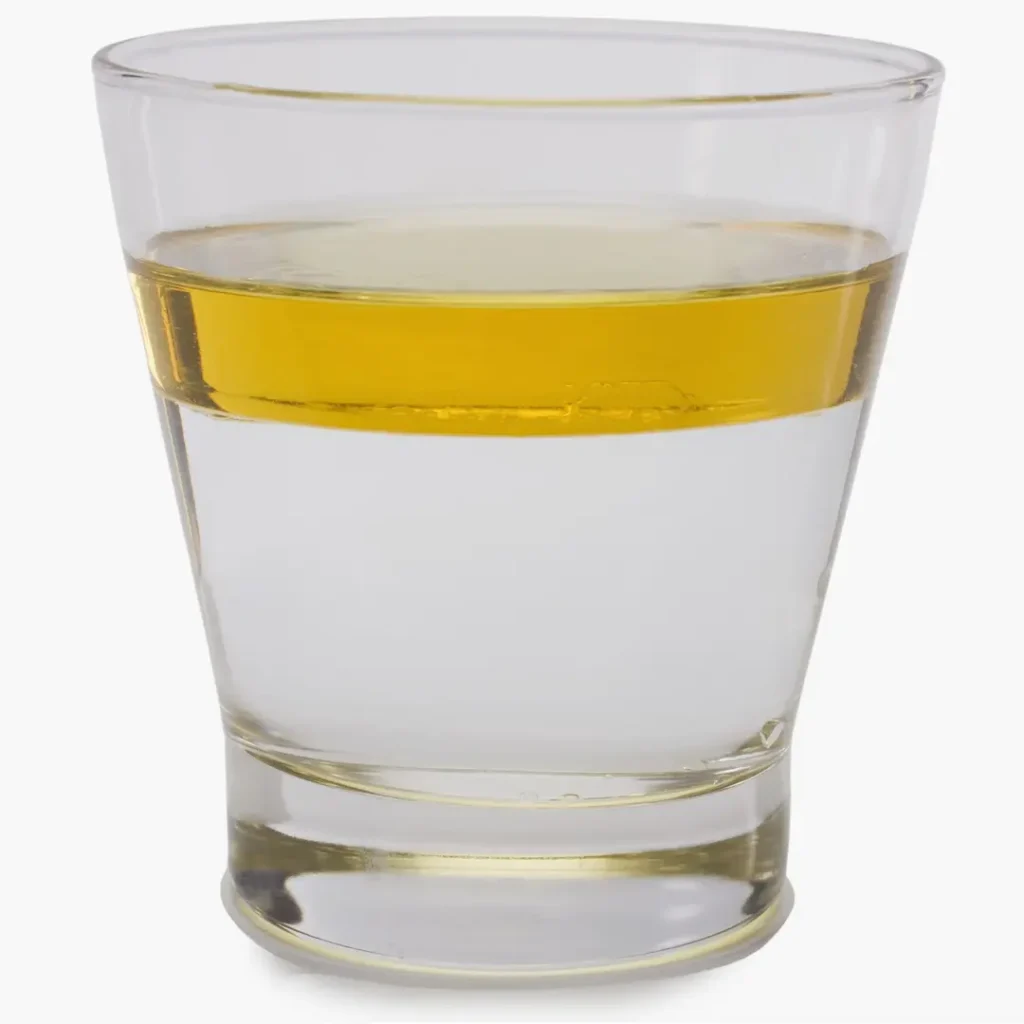
One promising strategy that has been implemented involves using micelles and polymeric nanocarriers. For example, Kamenova proposes a hydroxypropyl cellulose-based in situ gelled formulation incorporating block copolymer micelles loaded with CBD, demonstrating the significant potential for drug delivery (Kamenova, 2023).
Similarly, Momekova et al. report on creating nanocomposite cryogel that use biodegradable materials to facilitate topical delivery of hydrophobic substances such as CBD (Momekova et al., 2020). These formulations take advantage of micelles’ unique properties to improve CBD’s solubility by addressing its inherent physical limitations. This finding is further supported by Grifoni et al., who point out that nanoformulations can lead to increased solubility and stability of CBD, which is critical for its therapeutic applications (Grifoni et al., 2022).
After adopting and successfully testing a liposomal formulation of cannabidiol prepared in the United States for several years at Herbal Neurocare, Prof. Tullio Scrimali developed an original formula and preparation procedure, subsequently deposited, that today constitutes one of the Sicilian company’s most important assets: a micellar water-soluble cannabidiol preparation.
To this innovative preparation, Scrimali imposed the original name Aquacann, which was filed as a trademark.
In the light of extensive studies carried out by Scrimali in the laboratories of Herbal Neurocare and in the settings of ALETEIA Clinical Center, this preparation was found to be stable over time, extremely soluble in any beverage, and dispersible on the buccal mucosa for ready migration into the bloodstream through the sublingual vessels.
Care was taken to determine the organoleptic characteristics. Dispersed in water, micellar NegEnt drops to create a clear, neutral-tasting nano-emulsion with a slightly bitter aftertaste that is not disturbing. When taken in flavorful beverages, such as milk, coffee, wine, beer, fruit juices, and vegetable or meat broths, NegEnt Drops does not change the flavour at all.
The Aquacann preparation is also used in the spray formulations of NegEnt – Skin and Mucous Membranes and NegEnt Muscles and Joints, based on the demonstrated ability of micellar cannabidiol to easily pass through skin and connective structures to reach the internal sites of inflammation, subcutaneous tissue, muscles and joint tissues.
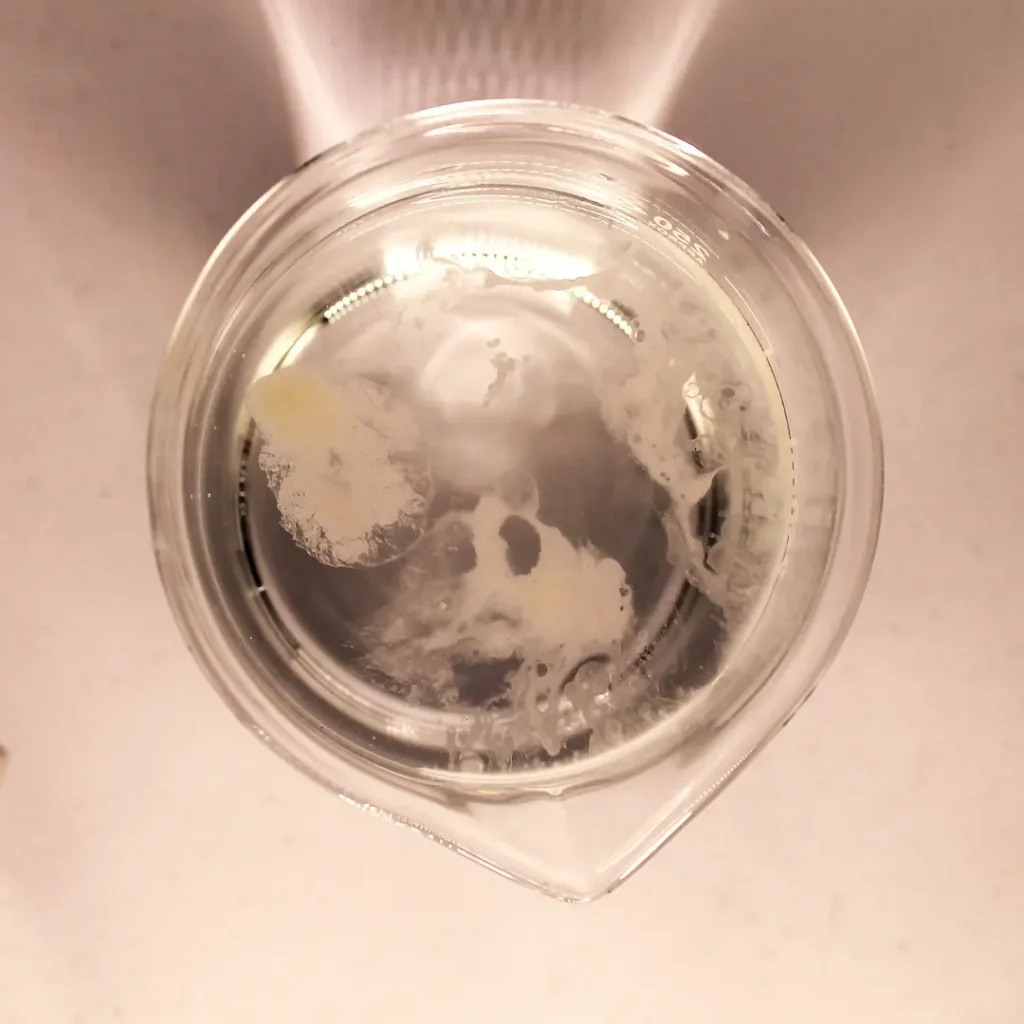
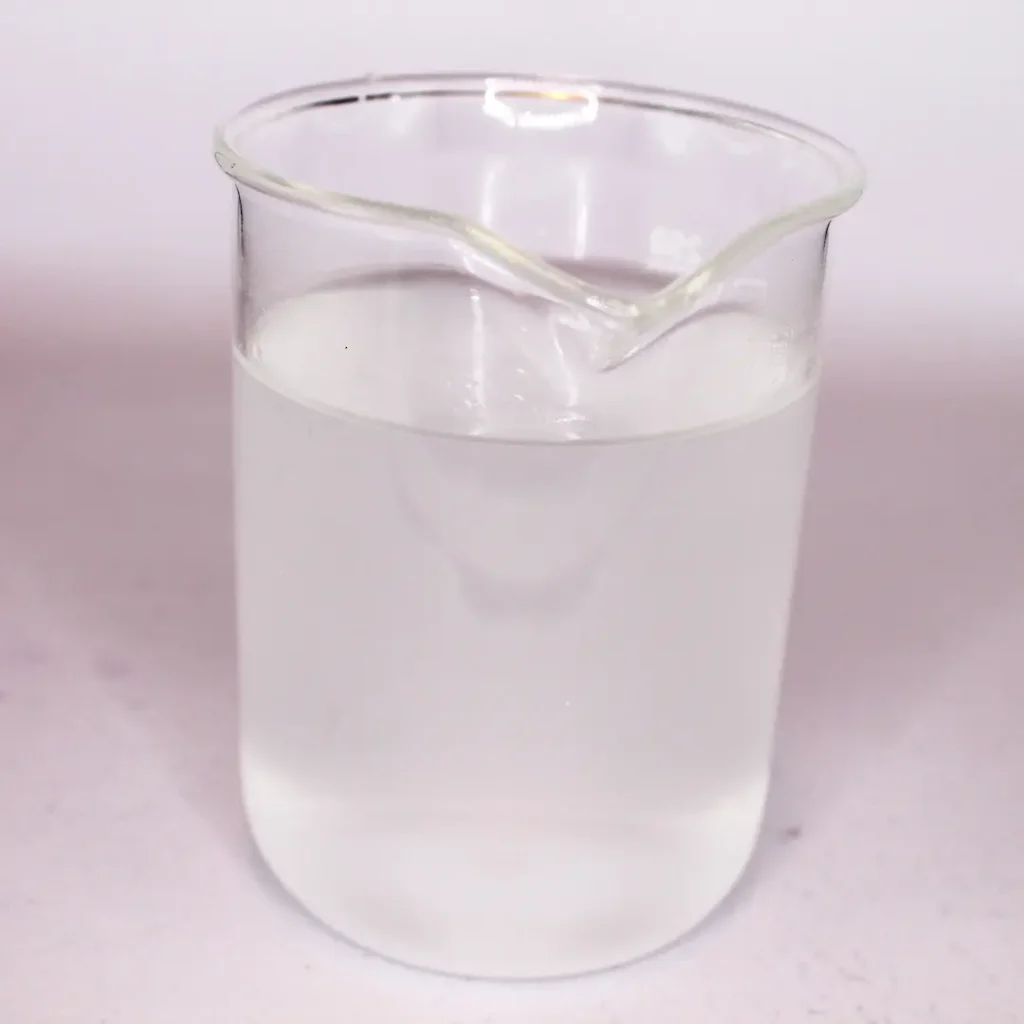
The use of Aquacann, water-soluble micellar cannabidiol made in Herbal Neurocare laboratories from cannabidiol or terpenolol, in NegEnt Drops, NegEnt Spray – Skin and Mucous, and NegEnt Spray – Muscles and Joints products constitutes Scrimali’s excellent research result. It places the NegEnt Series among nutraceuticals, cosmeceuticals, and medical devices at the highest levels of pharmaceutical technology.
Some research unequivocally shows that the bioavailability of cannabidiol in micellar form is significantly higher than that of the traditional fat-soluble form in carrier oil, proving to be at least double and, in some cases, even triple (Malaysia, 2021).
Some research unequivocally shows that the bioavailability of cannabidiol in micellar form is significantly higher than that of the traditional fat-soluble form in carrier oil, proving to be at least double and, in some cases, even triple (Malaysia, 2021).
In conclusion, the original micellar formulation of CBD, developed by Scrimali, which filed the name Aquacann and the formula, offers two to three times higher bioavailability of CBD than the traditional form in carrier oil due to its enhanced ability to cross biological barriers and resist enzymatic degradation. The micellar emulsion NegEnt Drops, made in the laboratories of Herbal Neurocare, also remain stable until the last drop is consumed, as opposed to fat-soluble formulations of cannabidiol in oil that quickly exhibit oxidation processes.
Bibliography
- Feng, Y., Ruan, Q., Xu, Y., Jiang, Z., Xiao, Y., & Zhu, D. (2021). L’inclusione di trigliceridi a catena media nella formulazione a base di lipidi di cannabidiolo facilita la solubilizzazione micellare in vitro, ma le prestazioni in vivo rimangono superiori con il veicolo di olio di sesamo puro. Pharmaceutics, 13(9), 1349.
- Grifoni, M., De Marco, I., & Santoro, M. (2022). Promising nanocarriers to enhance solubility and bioavailability of cannabidiol for a plethora of therapeutic opportunities. *Molecules*, 27(18), 6070.
- Kamenova, K. (2023). In situ gelling hydroxypropyl cellulose formulation comprising cannabidiol-loaded block copolymer micelles for sustained drug delivery. *International Journal of Molecular Sciences*, 24(21), 16534.
- Momekova, D., Vasileva, M., & Petkova, D. (2020). Nanocomposite cryogel carriers from 2-hydroxyethyl cellulose network and cannabidiol-loaded polymeric micelles for sustained topical delivery. *Polymers*, 12(5), 1172.